


Small Satsuma Vase, Fô Dog Handles, 19th Century
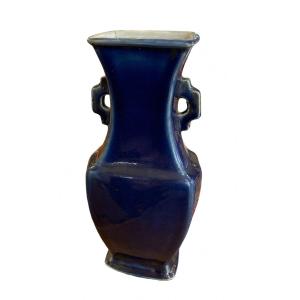
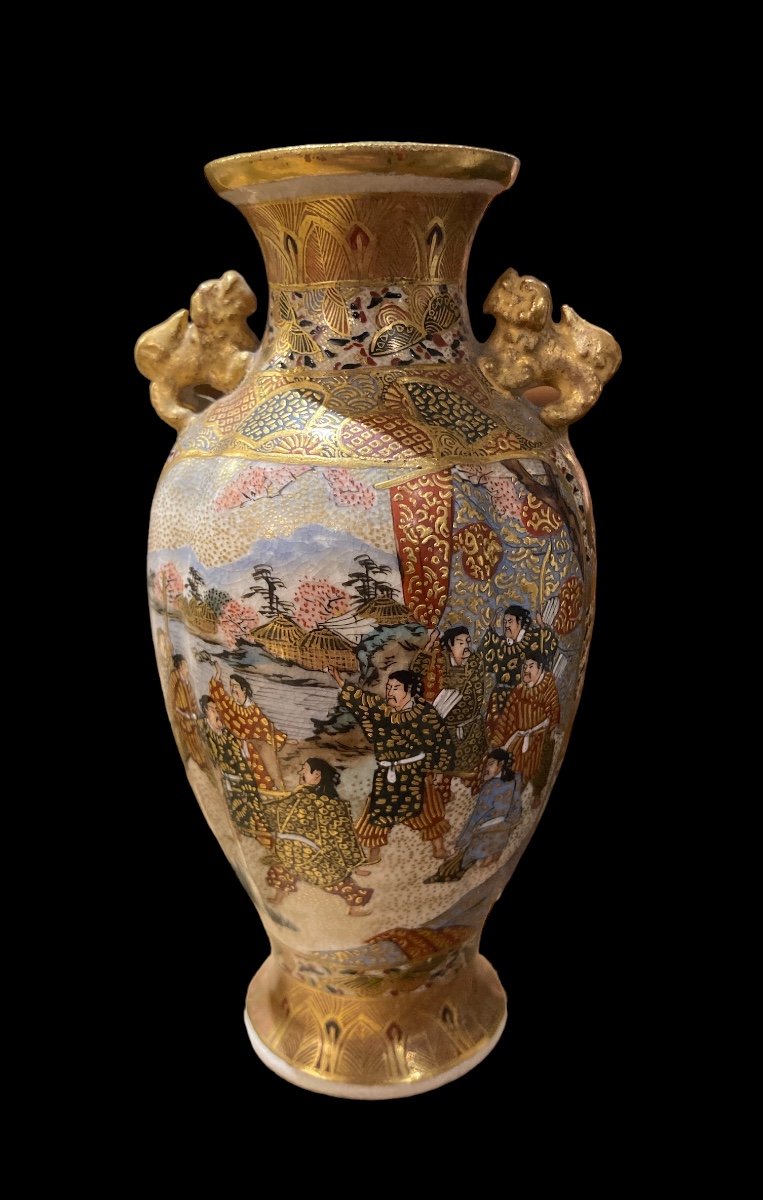
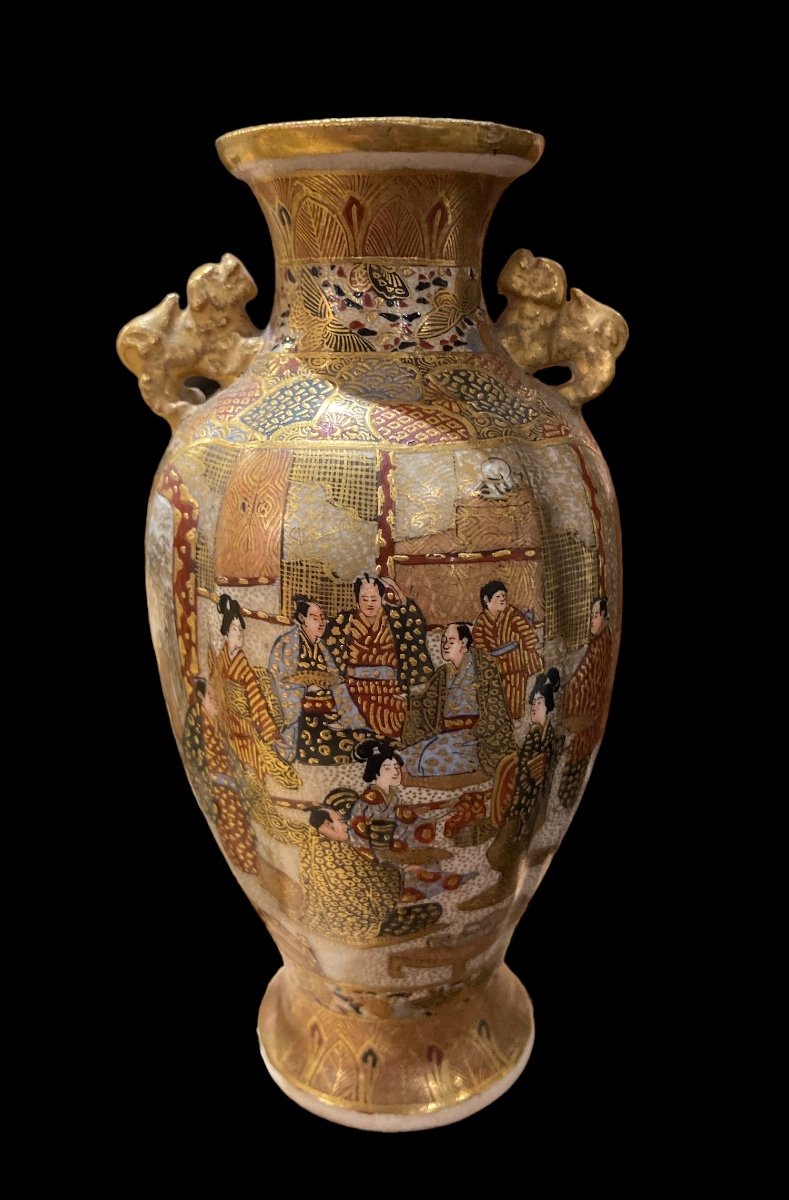
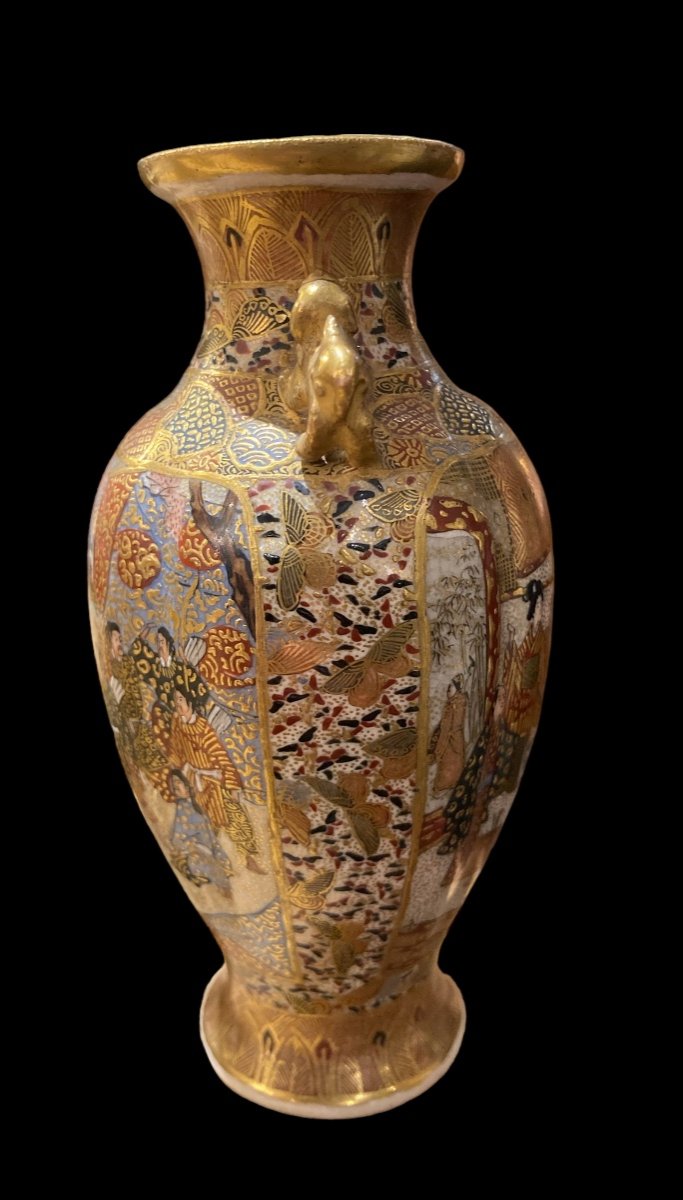
Small satsuma vase in gold-glazed porcelain. The shoulder of the vase is decorated with two Fô dog handles. Each side of the vase features two scenes, one of battle and the other of courtesans frozen in their daily lives.
The history of Satsuma vases dates back to Japan's Edo period (17th-19th centuries). Originating in the Satsuma region, these ceramics were initially produced for local needs. During the Meiji period (1868-1912), Japan opened its borders to international trade, and Satsuma attracted the attention of Western collectors.
Statues of Fô dogs (also known as Fu dogs) originated in China and are often placed on either side of entrances or portals to symbolize protection and good fortune. While Fô dogs are often associated with Chinese culture, due to the cultural and historical exchanges between China and Japan, Japanese iconography includes similar guardian dogs called komainu, "stone lions".
19th century
Good condition
Dimensions:
Height: 12.5 cm
Maximum width: 6.5 cm
The history of Satsuma vases dates back to Japan's Edo period (17th-19th centuries). Originating in the Satsuma region, these ceramics were initially produced for local needs. During the Meiji period (1868-1912), Japan opened its borders to international trade, and Satsuma attracted the attention of Western collectors.
Statues of Fô dogs (also known as Fu dogs) originated in China and are often placed on either side of entrances or portals to symbolize protection and good fortune. While Fô dogs are often associated with Chinese culture, due to the cultural and historical exchanges between China and Japan, Japanese iconography includes similar guardian dogs called komainu, "stone lions".
19th century
Good condition
Dimensions:
Height: 12.5 cm
Maximum width: 6.5 cm
230 €
Period: 19th century
Style: Asian art
Condition: Good condition
Material: Ceramic
Width: 6,5 cm
Height: 12,5 cm
Reference (ID): 1240041
Availability: In stock
Print